
MIDA Approvals Fuel New Fabrication Plant Expansion
Investment approvals from Malaysia’s development authority are accelerating semiconductor manufacturing capacity across the nation’s high-tech clusters.
Setting the Stage for Growth
Malaysia’s position in the global semiconductor supply chain has never been more critical. The country’s electrical and electronics (E&E) sector generates nearly $200 billion annually in exports, making it one of Asia’s most vital manufacturing hubs. Yet demand keeps climbing. We’re seeing global chip cycles accelerate, with manufacturers racing to expand capacity ahead of projected shortages.
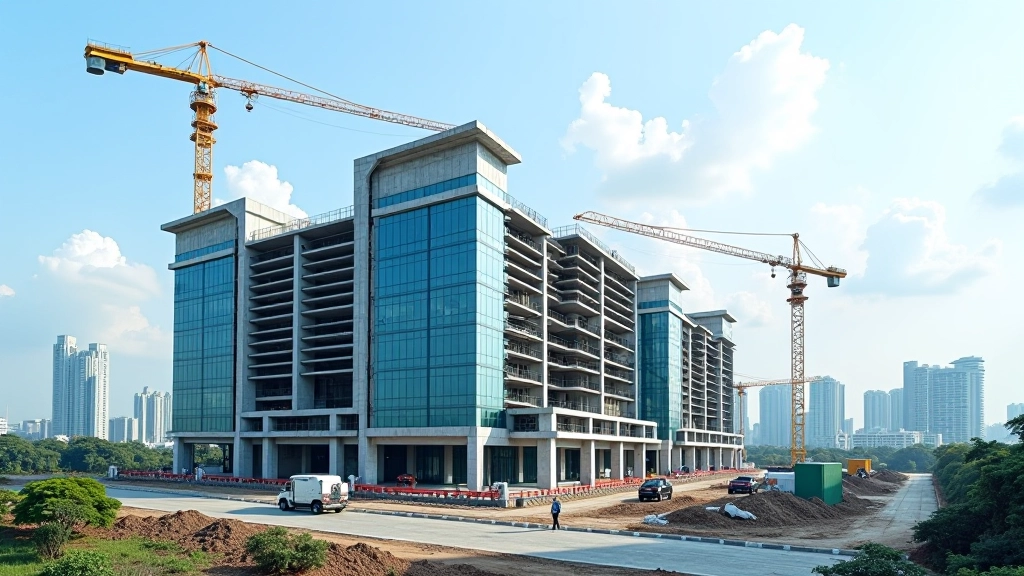
The Malaysian Industrial Development Authority (MIDA) just approved a new wave of fabrication plant projects. These aren’t small investments — they’re transforming entire industrial zones from Penang to Kulim, adding real production capacity that’ll shape the industry for the next decade. What makes this significant isn’t just the scale. It’s the timing, the locations, and what these plants will actually manufacture.

Why These Approvals Matter Now
The global chip cycle doesn’t follow a predictable pattern. We’ve learned that lesson repeatedly — shortages hit suddenly, then surplus follows just as fast. But right now, the trajectory is clear: demand outpaces supply. Countries everywhere are scrambling to build manufacturing capacity domestically, trying to reduce dependence on single supply chains.
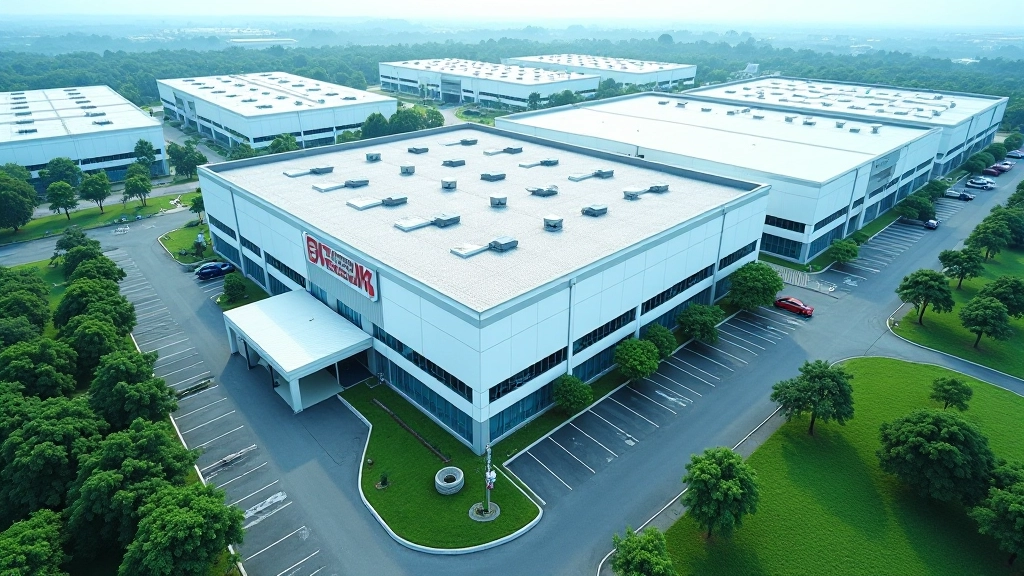
Malaysia’s already got the expertise. Penang alone hosts over 40 major semiconductor manufacturers. Kulim’s industrial park attracts continuous investment. The workforce knows this work. But knowing how and having actual factory space are two different things. These new MIDA approvals unlock around 250,000 square meters of new manufacturing floor space across multiple sites. That’s not trivial — that’s production capacity that’ll directly affect global supply.
Key insight: New fabrication plants typically take 18-24 months to reach full operational capacity. Construction starts now, but the real production impact hits in 2027-2028 — exactly when forecasters expect another supply crunch.
Penang and Kulim: The High-Tech Heart
You can’t talk about Malaysia’s semiconductor sector without centering these two regions. Penang’s been the epicenter since the 1980s — it’s got the infrastructure, the skilled labor pool, and the ecosystem of suppliers. Companies locate there because everyone else is already there. That network effect compounds.
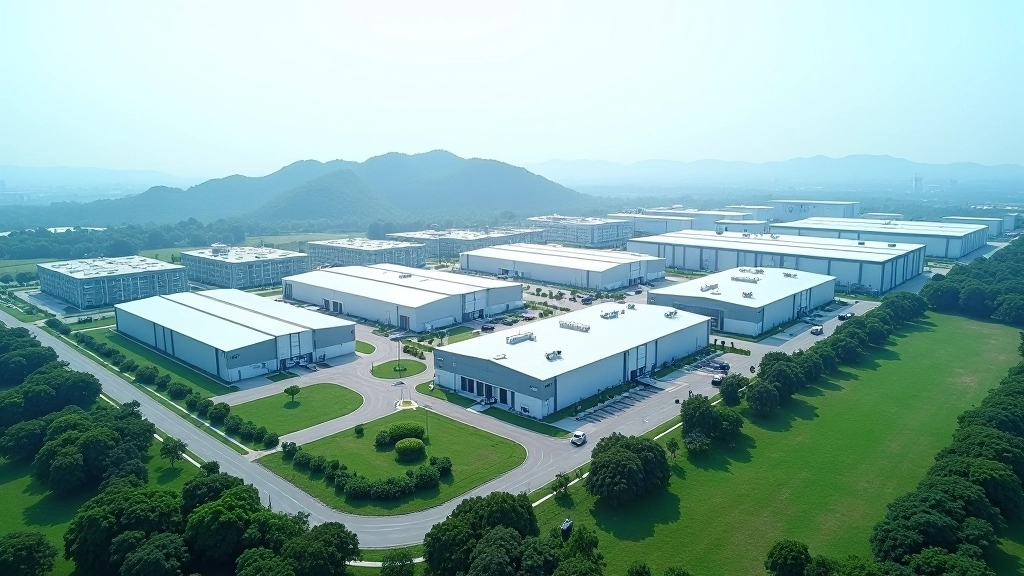
Kulim’s newer but equally strategic. It’s positioned inland, offering lower land costs while still accessing Malaysia’s excellent logistics infrastructure. The industrial park’s been designed specifically for heavy manufacturing. These MIDA approvals include significant expansion in both zones — Penang getting boutique high-value operations, Kulim scaling up mid-tier production.
What’s happening isn’t random. MIDA targets specific gaps in Malaysia’s current manufacturing mix. We’re seeing approvals for assembly operations, advanced packaging facilities, and testing centers. Each fills a different spot in the value chain. Together, they strengthen Malaysia’s position as a complete manufacturing destination — not just one step in a longer process.

Trade Surplus and Export Performance
Malaysia’s E&E sector generates a trade surplus that’s genuinely remarkable. We’re talking tens of billions annually in positive balance. Semiconductors and semiconductor-related equipment form the core of that surplus. When global prices for chips rise — which they do during supply crunches — Malaysia’s export values spike proportionally.
But it’s not just about volume or price cycles. It’s about diversification. These new plants aren’t just replicating existing production. They’re enabling Malaysia to manufacture components that currently require imports or foreign partnerships. That shifts the value proposition. Higher-margin products mean bigger trade surpluses per unit manufactured.
The approval process itself signals confidence. MIDA doesn’t greenlight massive fabrication plants lightly. These investments required detailed business cases, market analysis, and financial commitment from the companies involved. We’re talking investments in the hundreds of millions of dollars per project. That’s not speculative capital — it’s structural confidence in Malaysia’s market position over the next decade.
What Comes Next
Construction timelines matter here. Early projects will break ground within months. We’ll see active building through 2026-2027. Equipment installation follows. Testing and validation come after that. Most facilities won’t reach full capacity until 2028.
That timeline aligns perfectly with projected demand. The semiconductor industry operates in cycles, but current forecasts suggest sustained high demand through 2027-2028 as AI infrastructure buildout continues globally. Malaysia will be positioned right at the moment when additional capacity becomes genuinely valuable.
These approvals represent Malaysia’s bet on staying central to global chip manufacturing. It’s not a guarantee — supply chains shift, technology evolves, costs change. But the strategic positioning is smart. Existing expertise. Proven infrastructure. Favorable trade dynamics. And now, freshly approved capacity expanding across the nation’s core manufacturing zones. That’s the story these MIDA approvals really tell.
Explore More on Malaysia’s Semiconductor Sector
Understand the broader context of Malaysia’s role in global electronics manufacturing and what shapes the industry’s future.
Browse Related Topics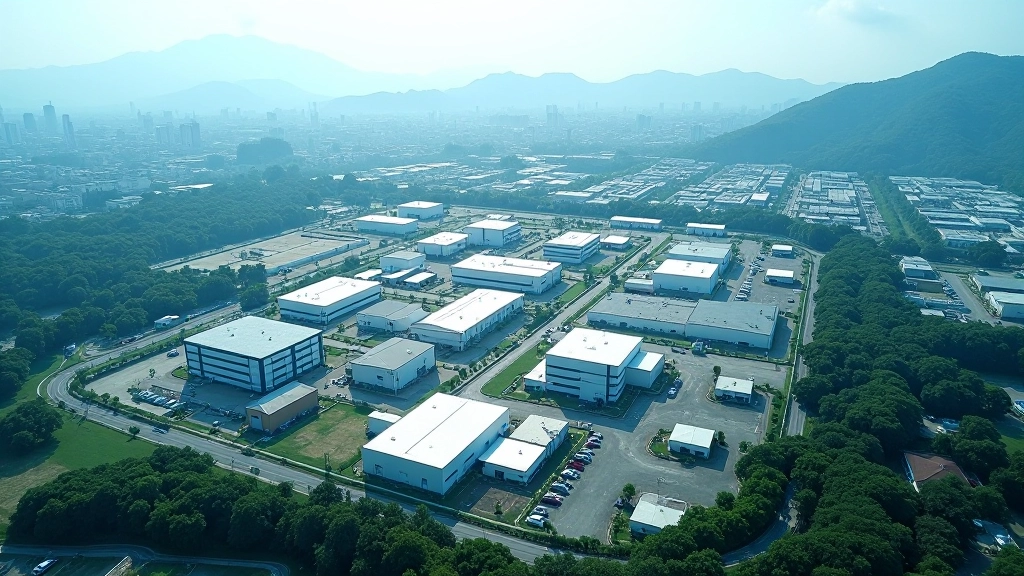


Information Disclaimer
This article provides educational information about Malaysia’s semiconductor manufacturing sector and recent MIDA investment approvals. The content is based on publicly available information and industry analysis. It’s not intended as investment advice, business recommendations, or predictions of future market performance. Manufacturing timelines, investment outcomes, and market conditions can change based on numerous factors beyond those discussed here. Readers interested in specific investment or business decisions should consult with qualified professionals in the relevant fields. Circumstances vary by individual situation, and past patterns don’t guarantee future results.