
E&E Exports: Malaysia’s Trade Surplus Engine
The electronics and electrical sector generates significant trade surpluses, representing one of Malaysia’s strongest export categories globally. With Penang and Kulim leading the charge, these high-tech clusters drive billions in annual revenue while maintaining Malaysia’s competitive edge in global semiconductor markets.

Why E&E Exports Matter
Malaysia’s electronics and electrical sector isn’t just another industry — it’s the backbone of the country’s trade surplus. We’re talking about semiconductors, microchips, circuit boards, and electrical components that power everything from smartphones to industrial equipment globally.
What makes this sector remarkable isn’t just the scale. It’s how integrated Malaysia’s position is in the global supply chain. When international demand for chips rises, Malaysia’s factories hum. When chip cycles dip, the impact ripples through the entire economy. Understanding this relationship reveals why E&E exports matter so much to Malaysia’s economic health.
Penang and Kulim: The Twin Powerhouses
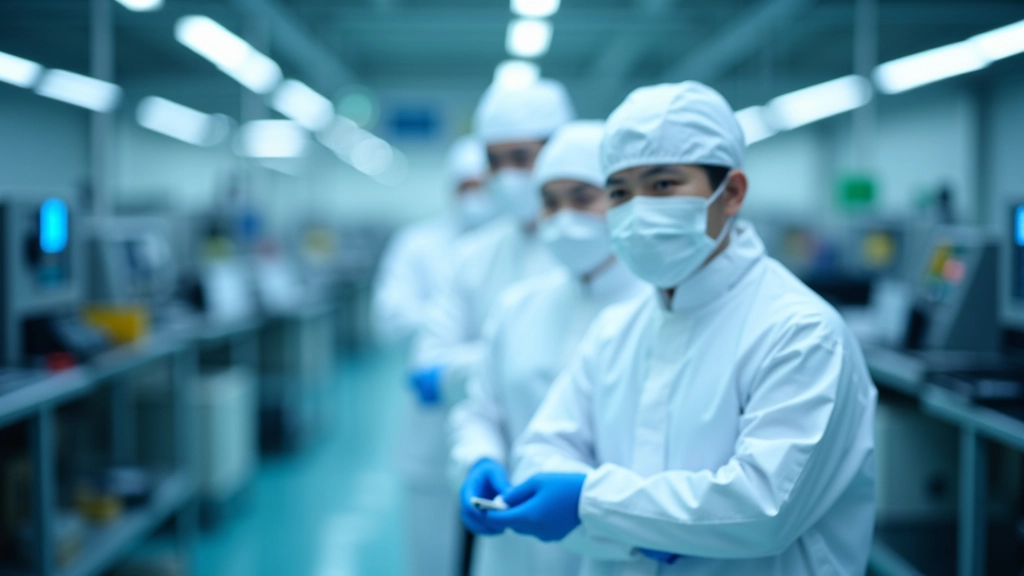
Penang has been Malaysia’s semiconductor capital since the 1970s. But here’s what’s remarkable — it didn’t just happen by accident. Decades of investment, infrastructure development, and talent accumulation created an ecosystem where chip manufacturers wanted to set up shop. Today, Penang produces semiconductors worth billions annually. Engineers, technicians, and manufacturing experts have built something genuinely impressive.
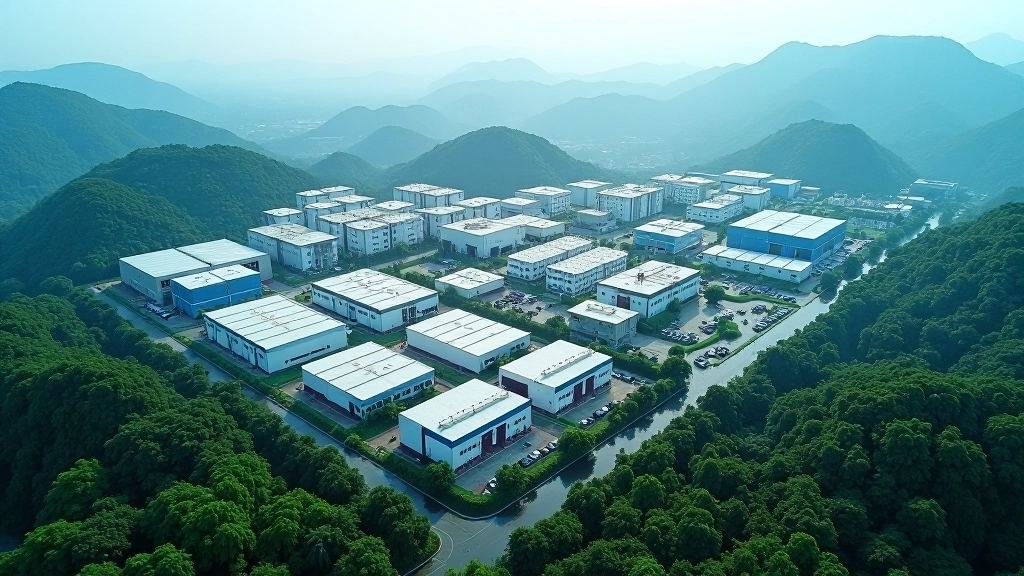
Kulim, located in Kedah, represents the newer wave of expansion. With purpose-built semiconductor parks and modern fabrication facilities, Kulim’s emergence shows Malaysia’s strategy evolving. Rather than relying solely on Penang’s aging infrastructure, the country’s investing in next-generation plants designed for advanced chip manufacturing. Both regions together account for a substantial portion of Malaysia’s E&E exports — we’re talking hundreds of billions in ringgit annually.
- Penang: 40+ years of semiconductor expertise
- Kulim: New-generation fabrication plants opening
- Combined employment: Over 150,000 skilled workers
- Export value: Among Malaysia’s top three sectors
Global Chip Cycles and Local Impact
Here’s something most people don’t realize — Malaysia’s E&E export performance tracks directly with global semiconductor cycles. When the world needs more chips (think pandemic-era demand spikes), Malaysian factories ramp up production. When demand softens, production slows. This isn’t just economic theory. It’s visible in real data.
Between 2020 and 2021, chip demand exploded. Every company needed semiconductors for remote work equipment, gaming consoles, data centers. Malaysian E&E exports surged. But 2023 brought a downturn — inventory corrections, slowing consumer demand, economic uncertainty. Export values dipped noticeably. By 2024-2025, the market stabilized again as AI demand created fresh semiconductor requirements.
What this teaches us is simple: Malaysia’s E&E sector isn’t isolated from global trends. When international tech companies face supply constraints, they turn to Malaysia. When they’ve got enough inventory, Malaysian factories face headwinds. Understanding these cycles helps explain Malaysia’s trade surplus fluctuations and why government initiatives focus on maintaining competitiveness during downturns.

The Trade Surplus Story
Malaysia consistently runs a trade surplus in E&E products. This means the country exports far more than it imports. That’s powerful. It means Malaysia’s manufacturing capabilities are generating real wealth — products leave the country and money comes back in. This surplus directly strengthens Malaysia’s foreign exchange reserves and supports the ringgit’s stability.
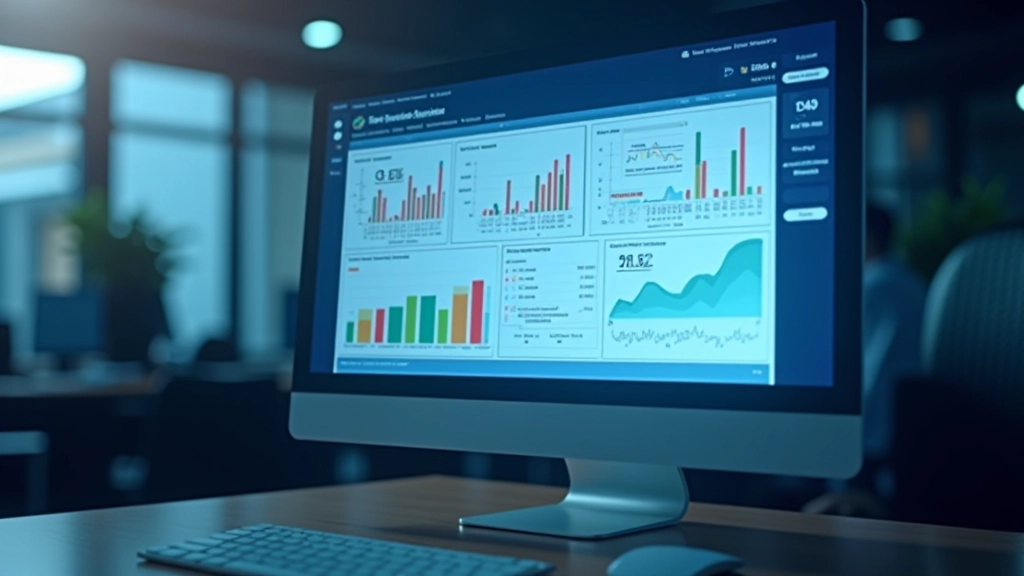
The numbers tell the story. Annual E&E exports regularly exceed 30% of Malaysia’s total merchandise exports. In absolute terms, we’re talking about 100+ billion ringgit annually flowing from chip sales, electrical component manufacturing, and related industries. This isn’t marginal — it’s fundamental to Malaysia’s economic resilience.
Why does this matter? Trade surpluses in high-value manufacturing categories like semiconductors signal economic strength. They indicate a country’s products are competitive globally, that the workforce is skilled enough to produce world-class goods, and that investment in infrastructure is paying off. Malaysia’s E&E surplus demonstrates all three.
MIDA Approvals and Future Growth
Malaysia’s Investment Development Authority (MIDA) plays a crucial role in attracting semiconductor manufacturers. Recent approvals signal confidence in Malaysia’s future as a manufacturing hub.
New Fabrication Plants
MIDA’s recent approvals for new fab construction in Kulim represent billions in committed investment. These aren’t small operations — they’re cutting-edge facilities designed for advanced chip manufacturing at 28nm nodes and below. Each plant creates thousands of jobs and strengthens Malaysia’s capacity.
Capacity Expansion
Existing manufacturers aren’t sitting idle either. They’re expanding current operations, upgrading equipment, and preparing for next-generation production. This gradual increase in capacity means Malaysia can capture more market share as global demand evolves. It’s strategic growth, not rushed expansion.
R&D and Innovation
Beyond manufacturing, Malaysia’s attracting investment in research and development. Companies are setting up design centers and testing facilities. This shift upmarket means higher-value activities happening in Malaysia, not just assembly work. It’s precisely the kind of economic upgrading that strengthens long-term competitiveness.

What’s Ahead for E&E Exports
The semiconductor industry is evolving rapidly. Artificial intelligence, automotive electrification, and 5G infrastructure all demand chips. Malaysia’s positioned well to capture demand from these emerging trends. The challenge isn’t whether demand exists — it’s ensuring Malaysia remains competitive as production costs rise and competition intensifies from other Southeast Asian nations.
Talent development becomes increasingly critical. Malaysia needs more skilled engineers, process technicians, and manufacturing specialists. Investment in technical education and workforce training will determine whether the country can sustain its competitive advantage. It’s not enough to have existing capacity — you need the people to operate it effectively.
“Malaysia’s E&E sector represents a rare combination of mature infrastructure, skilled workforce, and strategic geographic location. These factors created the trade surplus we see today.”
Industry analyst perspective
Looking forward, Malaysia’s E&E exports will likely remain a cornerstone of the economy. Trade surplus contributions may fluctuate with global cycles, but the underlying strength — established manufacturing bases, experienced workforce, government support through MIDA initiatives — provides solid foundation for sustained growth.
Related Articles
Penang’s Chip Manufacturing Hub Drives Regional Leadership
How Penang became Southeast Asia’s semiconductor powerhouse, processing billions in chips annually and employing thousands of skilled workers.

Understanding Global Chip Cycles and Malaysia’s Position
Analyzing how international semiconductor demand patterns affect Malaysian manufacturing output and export volumes throughout economic cycles.

MIDA Approvals Fuel New Fabrication Plant Expansion
Recent investment approvals from Malaysia’s investment authority are accelerating new semiconductor fab construction and capacity expansion initiatives.
Disclaimer
This article provides educational information about Malaysia’s electronics and electrical export sector. The data, statistics, and analysis presented reflect information available as of March 2026. Global semiconductor markets, trade policies, and economic conditions change continuously. Readers seeking investment decisions, business strategy guidance, or policy recommendations should consult with relevant experts, industry analysts, or official government sources. This content is intended for informational purposes only and does not constitute professional advice of any kind.