
Understanding Global Chip Cycles and Malaysia’s Position
How international semiconductor demand patterns shape Malaysia’s export forecasts and manufacturing outlook in the coming years

The Rhythm of Global Demand
The semiconductor industry doesn’t move in straight lines. It’s cyclical — expanding when demand surges, contracting when inventories swell. Malaysia sits right at the center of this global dance, processing chips for everything from smartphones to industrial equipment. Understanding these cycles matters because they directly shape what manufacturers here can produce and sell.
Over the past five years, we’ve seen two major boom periods and one significant downturn. Each shift rippled through Penang, Kulim, and the broader electronics ecosystem. The question isn’t whether cycles will continue — they will. The real question is how Malaysia positions itself within each phase.

What Drives Chip Cycles?
Three factors create predictable patterns in chip demand. First, consumer demand spikes around major product launches — think new smartphone generations or gaming console releases. Second, inventory cycles build naturally as distributors stock up, then contract when they realize they’ve overordered. Third, geopolitical and macroeconomic conditions shift supply expectations. We’ve seen this with trade tensions, pandemic disruptions, and energy costs affecting production capacity.
Malaysia’s experience with these cycles is unique. The country doesn’t just assemble chips — it tests, packages, and processes them. This middle-ground position means Malaysia benefits during upswings but also faces pressure during downturns when clients reduce orders faster than anyone expects. The 2023-2024 contraction proved this. Demand fell sharply, inventory corrections happened fast, and manufacturers had to adapt quickly.

Penang and Kulim: Riding the Waves
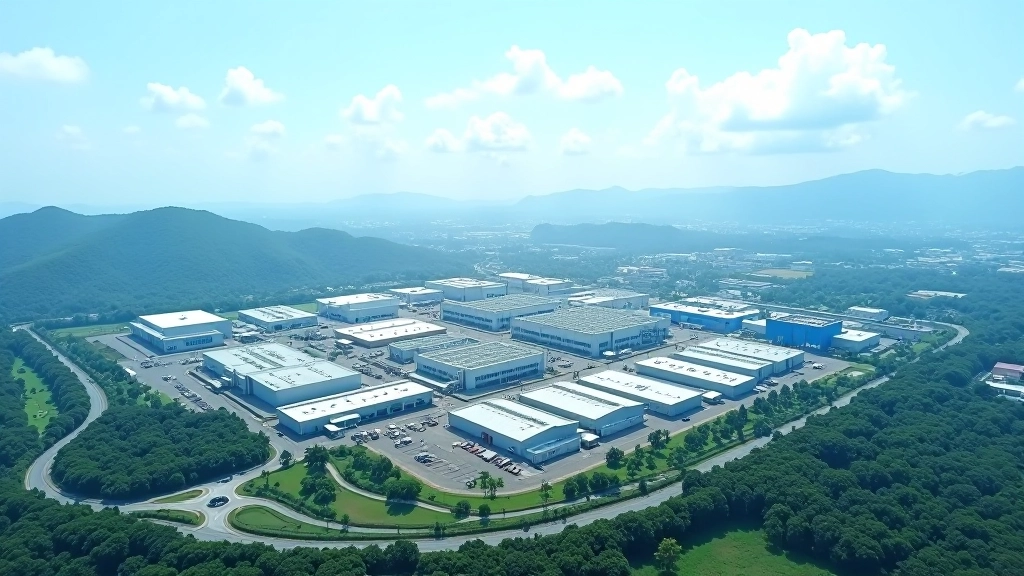
Penang processes approximately 12% of the world’s semiconductors. That’s not an accident. The cluster developed over four decades with specialized workforce, infrastructure, and supply chain relationships. When global demand rises, Penang’s capacity fills quickly. Manufacturers add shifts, extend production hours, and ramp hiring. We saw this clearly in 2021-2022 when chip shortages meant any facility could sell everything it produced.
Kulim, further south, handles lower-cost operations and back-end processing. Together, these regions employ over 180,000 people directly in electronics manufacturing. During downturns, employment gets stressed — but the infrastructure stays intact. When cycles turn upward, production restarts faster here than in many competing regions. That’s competitive advantage worth measuring.
The Trade Surplus Engine
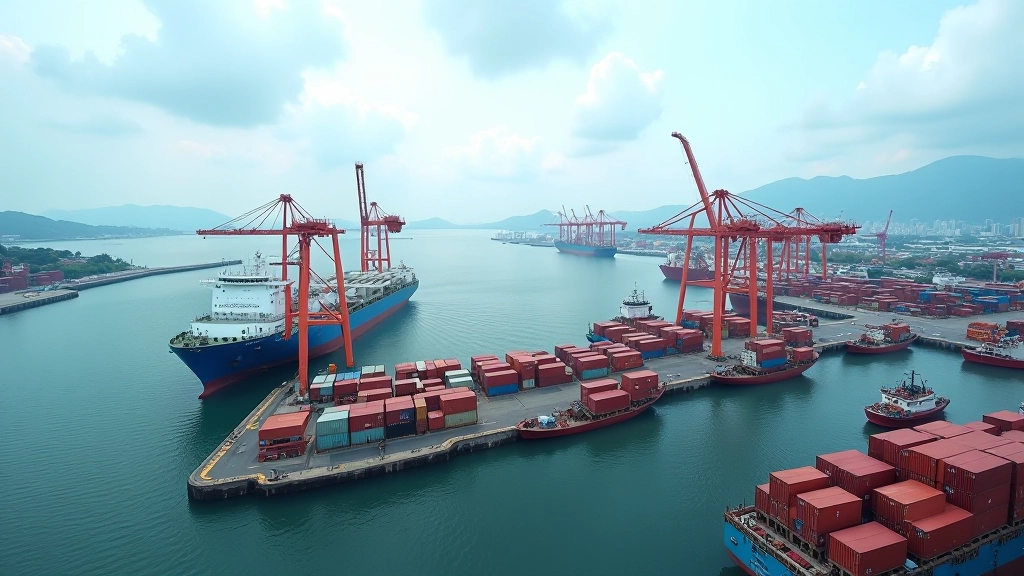
Malaysia’s electronics and electrical (E&E) sector generates roughly 40% of the nation’s total merchandise exports. That’s substantial. The sector consistently produces trade surpluses — meaning exports exceed imports by meaningful margins. In 2025, E&E exports reached approximately $114 billion while imports stayed around $52 billion. That $62 billion surplus funds schools, hospitals, and infrastructure across the country.
Semiconductor and semiconductor-related components make up the largest chunk. When global chip demand weakens, that surplus shrinks. Manufacturers reduce orders, export volumes drop, and the entire economy feels the pressure. Conversely, when demand surges — like we’re seeing in early 2026 with AI infrastructure buildouts — the export machine accelerates. More production, more employment, more foreign exchange earnings. It’s why tracking global chip cycles isn’t academic. It’s practical economics.
MIDA’s Role in Expansion
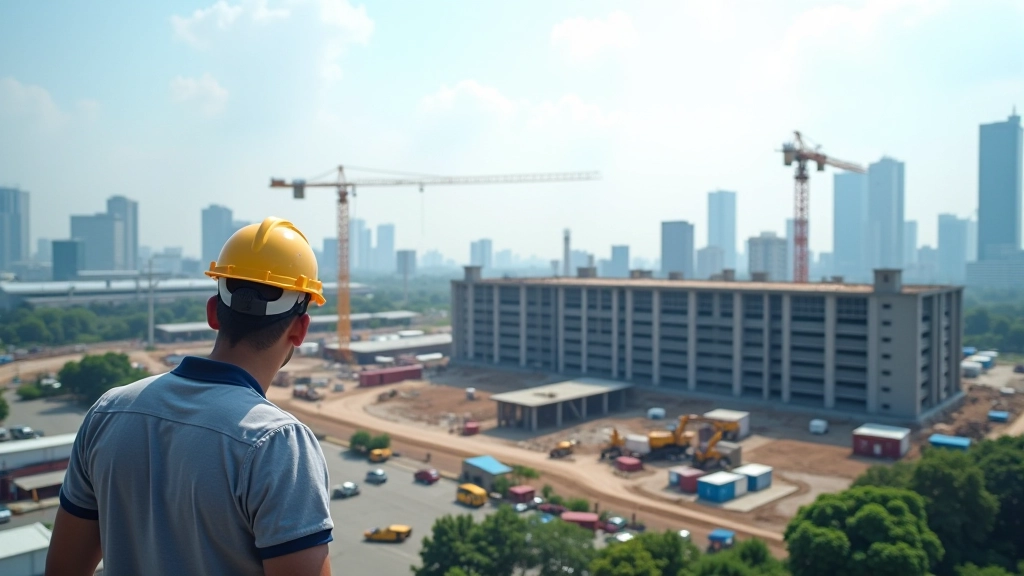
Malaysia’s investment authority, MIDA, approves fabrication plant expansions and new semiconductor facilities. Their decisions signal confidence in future cycles. In the past 18 months, MIDA approved eight major semiconductor manufacturing projects worth approximately $3.2 billion. These aren’t small commitments. They represent manufacturers betting on sustained demand over the next 5-10 years.
Current approvals focus on advanced packaging, mature node processing, and specialized semiconductors. Rather than competing directly with cutting-edge 3nm production in Taiwan and South Korea, Malaysia’s strategy emphasizes areas where scale, cost efficiency, and reliability matter more than pushing technological boundaries. It’s a smarter positioning. These facilities won’t fall victim to rapid technological obsolescence. They’ll stay relevant through multiple market cycles.
The approved expansion projects are expected to create 14,500 new jobs and increase Malaysia’s semiconductor processing capacity by roughly 18% over three years.
The Road Ahead: 2026-2028 Projections
Several signals suggest Malaysia’s positioned well for the next cycle phase. AI infrastructure expansion globally means sustained demand for processing power. Autonomous vehicle rollouts require semiconductor-heavy systems. Industrial IoT continues expanding. These aren’t speculative trends — they’re shipping products right now.
Mature Node Demand
Older chip nodes (28nm and above) aren’t disappearing. They power everyday devices and industrial systems. Malaysia’s strength in this segment means steady orders regardless of cutting-edge competition.
Industrial & Automotive
These sectors are more recession-resistant than consumer electronics. As manufacturing automation increases, semiconductor demand from industrial customers remains relatively stable through market cycles.
Supply Chain Diversification
Geopolitical tensions encourage companies to diversify sourcing away from concentrated regions. Malaysia benefits from this trend as buyers seek alternative production locations.
Preparing for Cycles: Malaysia’s Advantage
Chip cycles are inevitable. What varies is how well countries adapt. Malaysia’s got several advantages worth noting. The established cluster in Penang means specialized talent stays local — engineers with 15+ years experience don’t disappear between cycles. Infrastructure investment compounds over time. Supply chain relationships built through multiple boom-bust cycles create resilience.
The coming years won’t be perfectly smooth. Cycles will continue. But the foundation’s solid. MIDA approvals show confidence. Export capacity keeps growing. Employment in the sector remains strong even during contractions because the work is too critical to relocate quickly. That’s how you win in a cyclical industry — you don’t fight the cycles, you position yourself to prosper within them.
Want to understand how these trends affect specific companies or sectors? The semiconductor industry generates hundreds of reports monthly. Start with government trade data and MIDA’s published approvals for real insights.


Information Disclaimer
This article presents information about global chip cycles and Malaysia’s semiconductor sector for educational purposes. Market projections and cycle analyses are based on available data and industry trends, but actual outcomes depend on numerous unpredictable factors including geopolitical events, technological breakthroughs, and macroeconomic conditions. Data cited reflects information available as of March 2026. Readers interested in making business or investment decisions should conduct their own research and consult with industry experts, economists, and relevant authorities. Neither this article nor its authors provide financial, investment, or business advice.