
Penang’s Chip Manufacturing Hub Drives Regional Leadership
How Malaysia’s semiconductor cluster processes billions in wafers annually and attracts multinational investment that reshapes Southeast Asia’s tech landscape
The Foundation of Southeast Asia’s Tech Economy
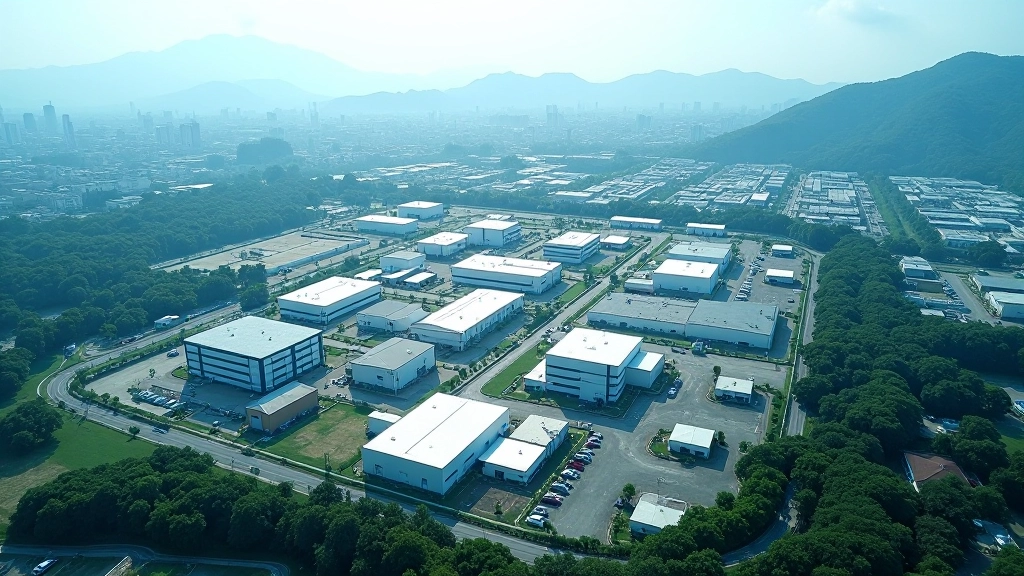
Penang isn’t just another industrial hub. It’s the region’s beating heart for semiconductor manufacturing. We’re talking about wafer fabrication facilities running 24/7, producing components that power everything from smartphones to automotive systems across the globe.
Since the 1980s, Penang’s transformation from a colonial trading port into a high-tech cluster didn’t happen by accident. Strategic government policies, proximity to shipping routes, and a skilled workforce created the perfect environment for chip makers to establish operations here. Today, the numbers speak for themselves — billions of ringgit in annual output, thousands of direct and indirect jobs, and a global reputation for precision manufacturing.
The real story isn’t just about production capacity. It’s about how Penang responds to global chip cycles, navigates international competition, and positions Malaysia as an essential player in the worldwide electronics supply chain. When global semiconductor demand fluctuates, Penang feels it immediately. When investment opportunities emerge, multinational corporations know where to look first.
Processing Billions in Wafers Annually
The scale of Penang’s semiconductor operations rivals dedicated fabrication centers in Taiwan and South Korea
From Raw Materials to Finished Chips
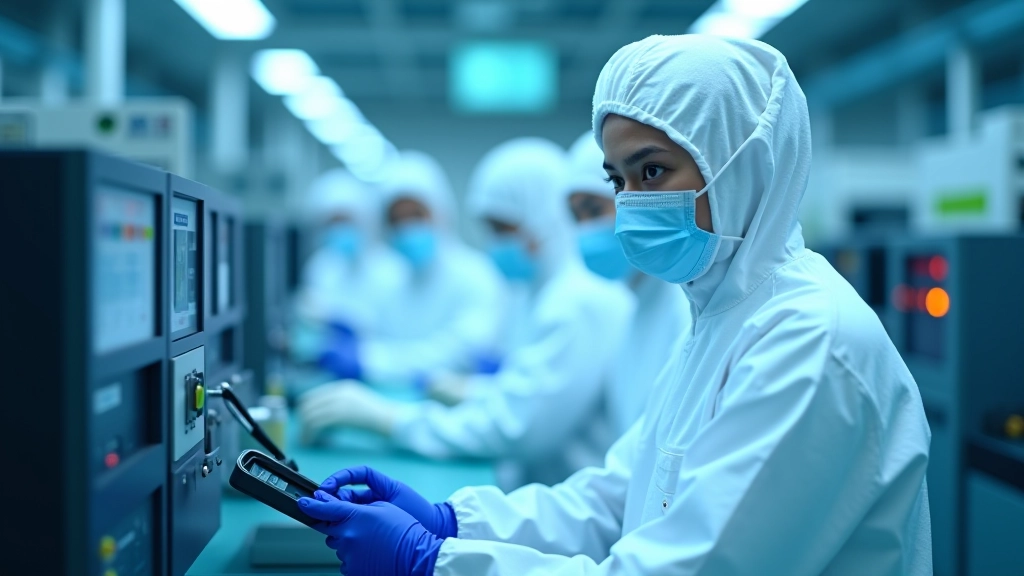
Penang’s fabrication plants don’t just assemble components — they handle the entire process. Silicon wafers arrive from suppliers, get processed through multiple stages of photolithography, etching, and deposition, then emerge as finished chips ready for assembly and testing. Each facility runs on schedules so tight that delays of even hours cascade through the entire supply chain.
The numbers are staggering. A single modern fab can process hundreds of thousands of wafers annually. When you consider Penang hosts multiple facilities operating in parallel, you’re looking at production volumes that directly impact global smartphone, computer, and automotive electronics markets. This isn’t boutique manufacturing — it’s industrial-scale precision.
What makes this work? Infrastructure. Penang’s industrial zones feature dedicated power substations with backup systems to ensure zero production interruptions. Water treatment facilities deliver ultra-pure water required for wafer processing. Logistics networks move finished products to port terminals within hours. It’s a ecosystem built specifically for semiconductor success.

Tracking the Global Chip Cycle
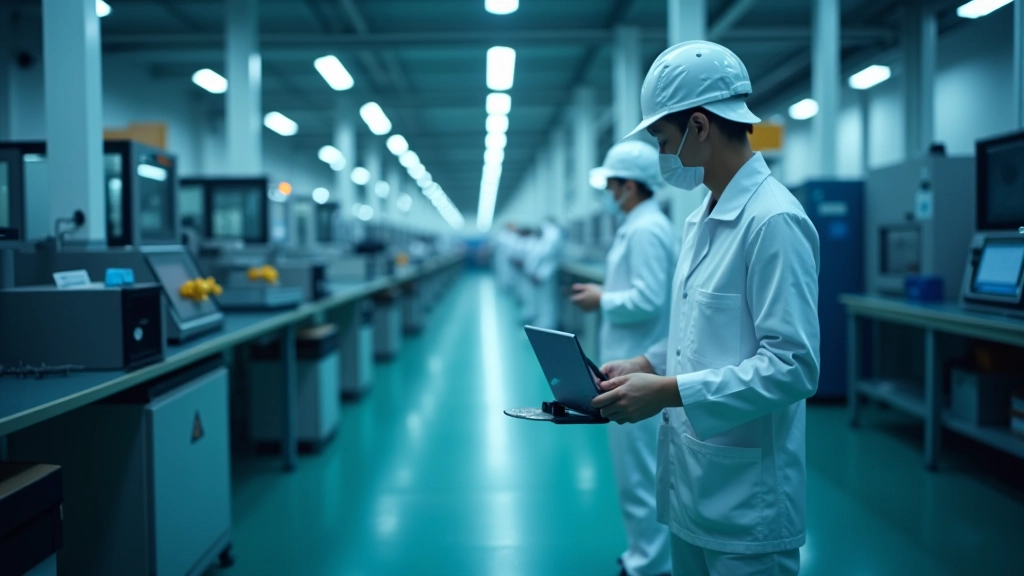
The semiconductor industry moves in cycles. Demand surges, then contracts. Penang’s manufacturing capacity directly reflects these global patterns. When worldwide smartphone sales spike, Penang’s fabs run at near-capacity, hiring temporary workers and maximizing output. When the market softens, production adjusts accordingly.
This cyclical nature isn’t a weakness — it’s reality. Smart manufacturers like those in Penang understand that flexibility matters. They maintain relationships with diverse customers across consumer electronics, automotive, industrial, and telecommunications sectors. This diversification buffers against downturns in any single market.
The past five years showed this clearly. When automotive manufacturers struggled to secure chips, Penang’s automotive-focused capacity ran at full throttle. When consumer electronics demand rebounded, fabs shifted production. The ability to pivot production isn’t easy, but Penang’s experience — accumulated over decades — makes it possible.
Global chip cycle intelligence matters too. Industry analysts track inventory levels, order books, and lead times constantly. Penang’s plant managers use this data to forecast demand and plan hiring, equipment maintenance, and supply chain timing. It’s not guesswork — it’s data-driven manufacturing strategy.
Electronics Exports Drive Malaysia’s Trade Surplus
The E&E sector represents Malaysia’s strongest export engine, generating sustained trade surpluses that strengthen the nation’s economic position
More Than Manufacturing Numbers
Malaysia’s electronics and electrical sector generates over 40% of the nation’s total merchandise exports. That’s not a side business — it’s the primary economic engine. When you break this down further, semiconductors and semiconductor-related products account for a significant chunk. Penang alone contributes roughly 35-40% of Malaysia’s total E&E exports.
This creates a straightforward economic benefit: Malaysia exports more than it imports in the E&E category. The trade surplus runs into billions of ringgit annually. That surplus flows into government revenue, corporate profits, and worker wages. It funds infrastructure projects, education initiatives, and healthcare systems across the nation.
The multiplier effect extends beyond direct manufacturing. Supporting industries thrive — chemical suppliers, equipment manufacturers, logistics providers, testing facilities. A single semiconductor fab might employ 2,000 people directly, but its supply chain supports thousands more across ancillary sectors.

Trade Surplus Reality
Malaysia’s E&E exports consistently exceed imports. This sustained surplus, driven largely by semiconductor and electronics manufacturing, strengthens currency reserves and provides economic stability. Penang’s role as the primary hub makes the state essential to national economic health.
MIDA Approvals Fuel Fabrication Expansion
Malaysia’s investment authority continues approving major semiconductor fabrication projects that will expand production capacity into the next decade

The Investment Pipeline
Malaysia’s Investment Development Authority (MIDA) doesn’t approve every manufacturing proposal. They’re selective. When they greenlight a new semiconductor fabrication plant, it signals confidence in Malaysia’s manufacturing ecosystem and Penang’s specific capabilities. Recent MIDA approvals for advanced fab projects represent billions in committed capital investment.
These aren’t small operations. Modern semiconductor fabrication plants require billions in capital expenditure. Equipment alone — photolithography systems, deposition tools, metrology devices — costs hundreds of millions per facility. When a multinational corporation commits to building or expanding a fab in Penang, they’re betting on the region’s infrastructure, workforce stability, and government support.
What draws investors? Multiple factors work together. Penang’s track record — decades of reliable semiconductor manufacturing — reduces perceived risk. Government incentives through MIDA approval include tax breaks and streamlined regulatory processes. The existing cluster of suppliers and skilled workers makes recruitment and supply chain management easier than establishing operations in new locations.
These approved projects won’t come online immediately. Semiconductor fabs typically take 2-3 years to construct and another year to fully operationalize. But when they do, they’ll increase Penang’s processing capacity by meaningful percentages and create thousands of new jobs across manufacturing, engineering, and support functions.
The Cluster Effect: Why Location Matters
Penang’s strength isn’t just individual facilities. It’s the ecosystem — multiple manufacturers operating in proximity, sharing supplier networks, competing for talent, and creating knowledge spillovers that benefit the entire region.
Multiple Fabs in One Region
Penang hosts more than half a dozen major semiconductor fabrication facilities. This concentration creates competitive pressure that drives efficiency and innovation. Plants compete for workers, pushing wages higher and attracting experienced talent from across the region.
Integrated Supply Chain
Suppliers locate near their customers. Chemical manufacturers, equipment service providers, testing facilities, and logistics companies cluster in Penang because proximity reduces costs and improves responsiveness. When a fab needs emergency supplies or equipment maintenance, local providers can respond within hours.
Workforce Development
Local universities and technical institutes focus on semiconductor-related training. Engineering graduates understand fab operations before entering the job market. Experienced workers stay in Penang rather than relocating, building institutional knowledge that improves productivity across the cluster.
Knowledge Exchange
Engineers from different companies interact through industry associations and technical forums. Best practices spread informally. When one fab solves a process problem, the knowledge ripples across the cluster, benefiting competitors. This spillover effect raises the entire region’s manufacturing sophistication.
Looking Forward: Penang’s Continued Relevance
Penang’s position as Southeast Asia’s semiconductor hub isn’t accidental, and it’s not guaranteed forever. It’s the result of sustained investment, strategic government support, and a skilled workforce that continues to deliver results. The region processes billions in wafers annually, directly contributes to Malaysia’s trade surplus, and attracts investment from the world’s largest semiconductor manufacturers.
The global chip cycle will continue its ups and downs. Market competition will intensify as other regions develop manufacturing capabilities. New technologies will emerge that challenge existing processes. But Penang has demonstrated resilience across decades of change. It’s adapted to shifting market demands, invested in workforce development, and maintained the infrastructure required for world-class semiconductor manufacturing.
The story of Penang’s semiconductor leadership is really the story of economic development done right. Strategic vision combined with execution. Government support that doesn’t stifle competition. And a region that understands its competitive advantages and continues investing to maintain them. That’s not a story that ends anytime soon.
Explore the Broader E&E Sector
Understanding Penang’s semiconductor leadership is one piece of Malaysia’s electronics export story. Discover how global chip cycles affect regional manufacturing and what MIDA approvals mean for future capacity expansion.
Learn More About E&E Sector

Important Disclaimer
This article provides educational information about Malaysia’s semiconductor industry, Penang’s manufacturing cluster, and the broader electronics export sector. The content is intended to inform readers about industry structures, economic impacts, and investment trends. It’s not intended as financial advice, investment guidance, or analysis for making business decisions. Manufacturing statistics, production figures, and economic data reflect publicly available information and industry reports. Market conditions, trade policies, and investment climates change frequently. Anyone making decisions related to semiconductor manufacturing, investments, or business expansion in Malaysia should consult with industry specialists, financial advisors, and government authorities like MIDA directly. The article represents a snapshot of the industry at the time of publication and doesn’t account for rapid changes in technology, global markets, or policy environments.