
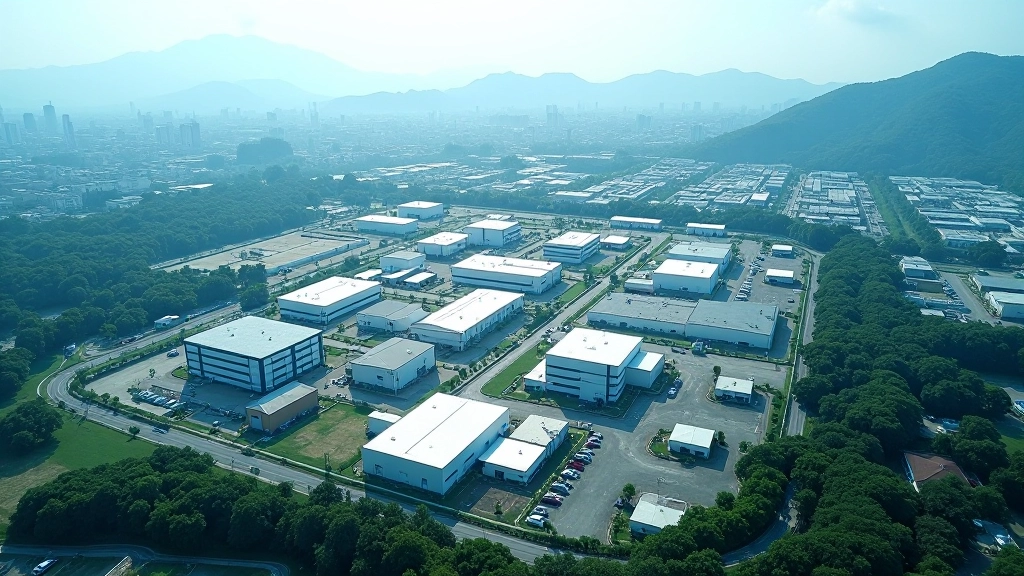
Penang’s Chip Manufacturing Hub Drives Regional Leadership
How Penang became Southeast Asia’s semiconductor powerhouse, processing billions in wafers annually and attracting multinational investment.
Read MoreExploring Penang and Kulim’s high-tech clusters, global chip cycle dynamics, and MIDA investment landscape shaping Southeast Asia’s electronics future

Latest analysis on Malaysia’s semiconductor and electronics sector performance
How Penang became Southeast Asia’s semiconductor powerhouse, processing billions in wafers annually and attracting multinational investment.
Read More
Analyzing how international semiconductor demand patterns affect Malaysian manufacturers and export forecasts for the coming years.
Read More
The electronics and electrical sector generates significant trade surpluses, representing one of Malaysia’s strongest export categories globally.
Read More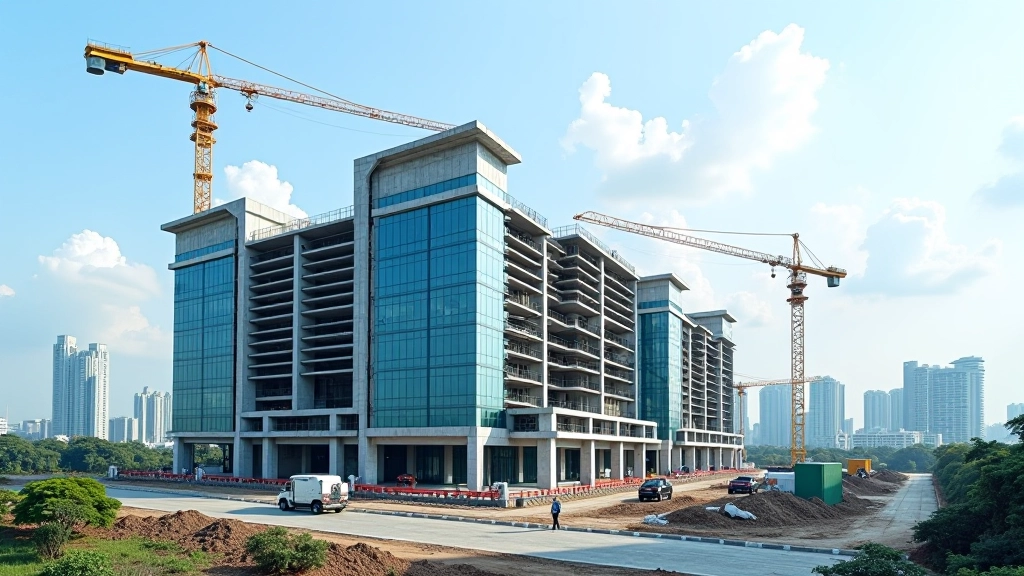
Recent investment approvals from Malaysia’s investment authority are accelerating construction of cutting-edge semiconductor manufacturing facilities nationwide.
Read MoreCritical data shaping Malaysia’s semiconductor trajectory
Of Southeast Asian chip exports originate from Malaysia’s manufacturing ecosystem
Annual E&E sector contribution to Malaysia’s export revenue
Direct employment in semiconductor and electronics manufacturing
Major multinational semiconductor corporations operating in Malaysia
A comprehensive overview of the sector’s structure and strategic importance
Malaysia’s semiconductor industry isn’t spread evenly — it’s concentrated in two strategic clusters. Penang’s northern location and established infrastructure make it ideal for advanced packaging and testing operations. Kulim, in Kedah state, offers newer manufacturing facilities with modern clean room technology. Together, they’ve become the backbone of Southeast Asia’s electronics supply chain.
What makes these clusters work is the ecosystem they’ve built. We’re talking about specialized suppliers, skilled workforce, reliable logistics networks, and years of operational experience. When a major semiconductor company decides where to locate a fabrication plant, these factors matter enormously. It’s not just about the building — it’s about the entire support system.
The semiconductor market doesn’t stay constant. It cycles through periods of high demand and overcapacity, driven by everything from smartphone releases to data center expansion to automotive electrification. Malaysia’s export performance follows these cycles closely. When global chip demand surges, Malaysian factories operate at full capacity. When demand softens, utilization drops.
Understanding this correlation helps explain year-to-year export variations. A strong cycle can push revenues up significantly. A weak cycle can create challenges. What’s important for policymakers and investors is recognizing these patterns and planning accordingly — not overreacting to temporary downturns or overcommitting during peaks.
The Malaysian Investment Development Authority approves major industrial projects and provides investment incentives. Recent MIDA approvals for new semiconductor fabrication plants signal confidence in Malaysia’s future. These aren’t small investments — modern fabs require billions in capital. Companies wouldn’t commit that scale of spending without believing in Malaysia’s stability, workforce quality, and long-term viability.
These new plants will expand Malaysia’s manufacturing capacity significantly. They’ll also create thousands of jobs — not just production workers, but engineers, technicians, and specialists. That’s why tracking MIDA approvals matters. It’s a leading indicator of sector health and growth trajectory.